

























































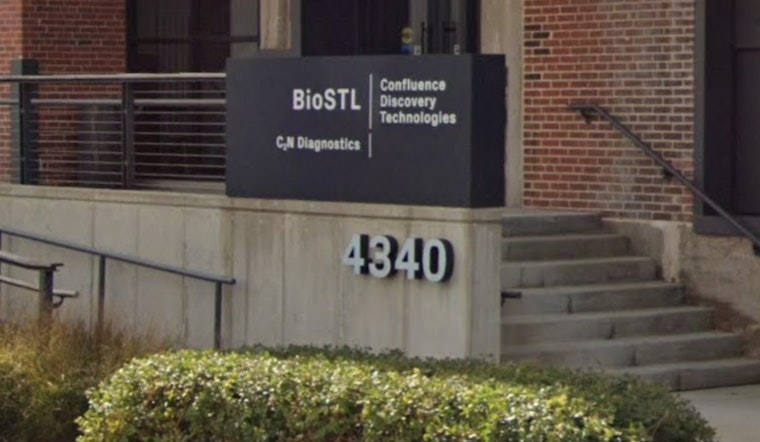
BioSTL, the nonprofit that helped seed St. Louis’s bioscience cluster, is celebrating its 25th year at the same time it is wrestling with a tighter budget that threatens the early-stage investments that create new companies. CEO Donn Rubin says the deal flow is only getting stronger, but the organization’s discretionary capital for standing up startups is smaller than it has been in years, which has pushed BioSTL into new fundraising and structural plays to keep the pipeline moving.
As reported by St. Louis Magazine, some of BioSTL’s core institutional backers stepped away last year. Washington University moved to stop an annual seven-figure appropriation, and BJC Health System reduced roughly $1.5 million in yearly support. Rubin told the magazine that the loss of discretionary funding has a “most direct hit on the investment budget,” which makes it tougher to de-risk very young companies in St. Louis before they try to raise outside money.
Those pullbacks reflect broader pressure on research wallets. Washington University announced cuts that eliminated 316 jobs and nearly 200 vacant positions as it sought roughly $52 million in savings, according to St. Louis Public Radio. National freezes and terminations of NIH and NSF grant funds have also reshaped research funding and tightened universities’ discretionary giving, according to a Science News analysis.
BioGenerator’s track record and the gap it faces
BioGenerator, BioSTL’s investment arm, has deployed roughly $50 million into local startups, and those early bets have helped attract about $3 billion in follow-on capital, a milestone that has been highlighted in coverage of the organization. The leverage shows how far a relatively small pool of early dollars can go, but many of the portfolio companies are still pre-exit. That leaves returns tied up on paper and limits BioGenerator’s ability to recycle capital into the next wave of startups.
New funding moves and venture studios
Rubin says BioSTL has lined up some new commitments to soften the blow. Previous major donors Paula and Rodger Riney have committed about $1.5 million a year for the next three years, and the nonprofit has secured nearly $3 million more to support agtech company creation, according to St. Louis Magazine. BioGenerator is also creating two for-profit venture studios focused on digital health and research tools, and Rubin told the magazine they aim to stand up seven or eight startups apiece over the next five years.
The Rineys are not new to this effort. They previously made a sustaining gift in 2022, according to the Paula and Rodger Riney Foundation.
What founders face
Local leaders say the region still trails denser coastal markets when it comes to early-stage capital, and institutions are trying to close that gap. Washington University has been building new connections to investors, including a shared Bay Area hub meant to give Midwestern startups more visibility with venture capitalists, as noted in a WashU Newsroom item. For founders, that structural lag translates into higher costs and longer runways to prove out technologies and assemble teams that can attract outside investment.
BioSTL describes the current moment as a plateau rather than a collapse and is testing a mix of philanthropic commitments, for-profit vehicles, and broader outreach to diversify its funding base. The organization is planning a fundraising gala this August and says a wider pool of local backers will be crucial if St. Louis is going to turn its growing deal flow into companies that not only launch, but stay and scale in the city.





